
Trump Eases Russia Diesel Sanctions to Lure Putin Toward Ukraine Deal
Lawmakers from both parties question whether the move will lower American fuel prices, as Russia keeps striking Ukrainian energy infrastructure.
By AXY World Desk ·
Key points
- Trump has temporarily eased some restrictions on Russian diesel to encourage Vladimir Putin toward a Ukraine peace deal.
- Six Republican senators joined Democrats in urging Trump to reverse the decision, and five House Republicans signed a bipartisan letter seeking to revoke the Treasury authorization.
- Trump argues the fuel will help lower global diesel prices, but energy analysts have questioned whether the volumes would meaningfully affect prices.
- Russia continued striking Ukrainian energy infrastructure after Trump declared an immediate energy ceasefire on Sunday.
- An October 18, 2026 deadline to begin implementing a new Congressional sanctions law raises the stakes of the decision.
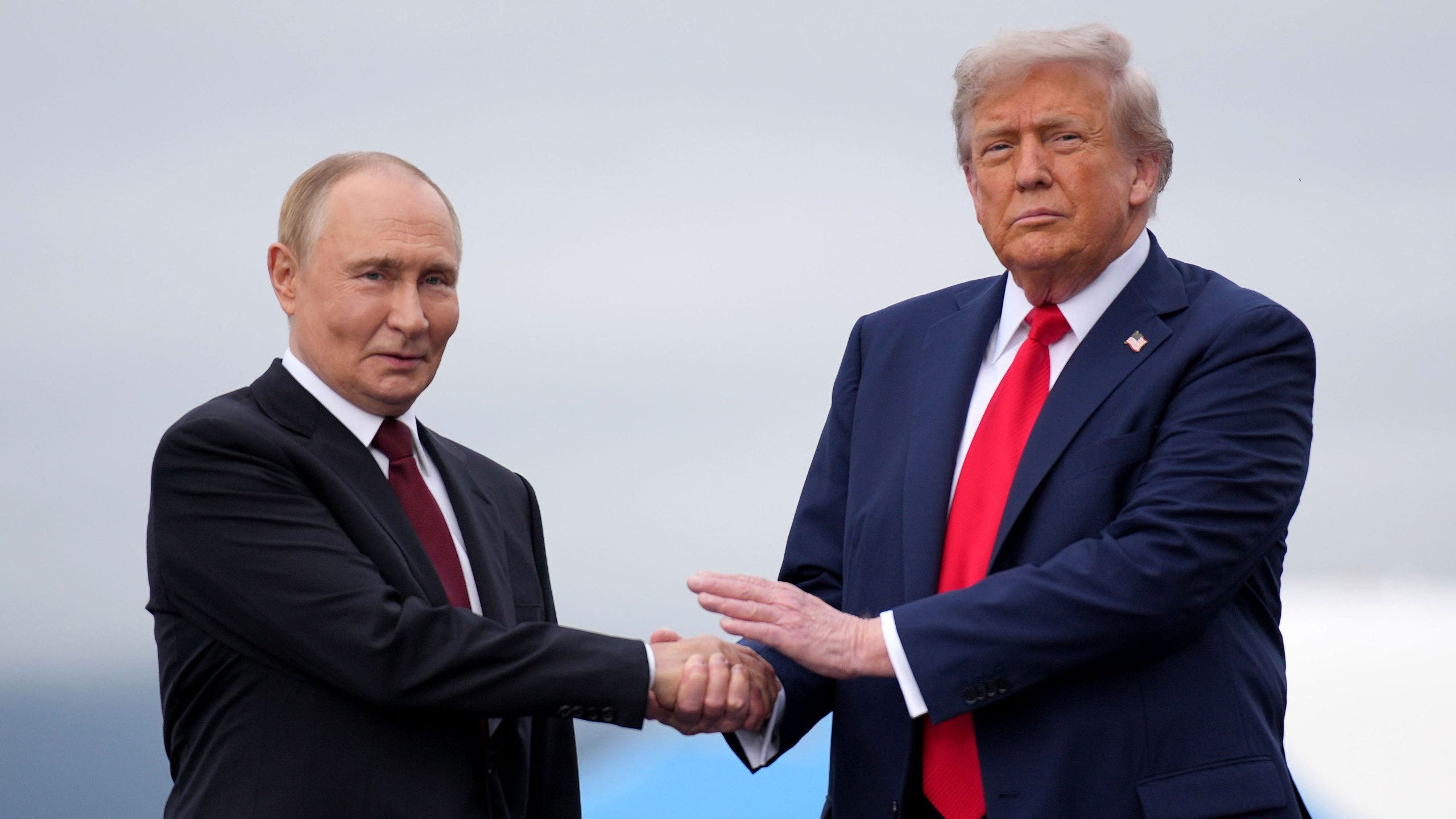
President Donald Trump is easing some economic pressure on Russia in hopes of bringing Vladimir Putin closer to a peace deal for Ukraine, a gamble that will test whether economic incentives can move Moscow where years of sanctions have not, according to Fox News. The administration's decision to temporarily ease restrictions on Russian diesel has drawn opposition from Republicans on Capitol Hill and skepticism over whether the move will meaningfully lower prices for Americans. Six Republican senators joined Democrats this week in urging Trump to reverse the decision, and five House Republicans signed a separate bipartisan letter on Thursday seeking to revoke the Treasury authorization behind it. Russia, meanwhile, has offered few public signs of concessions in return.
The dispute matters because it goes to the heart of how Washington uses economic power against a government at war. Sanctions are restrictions on trade, finance and business that governments impose to pressure another country's leaders, and they are usually tightened or loosened in response to a specific change in behavior. Easing them before that change has occurred is a departure that critics say can weaken leverage and supporters say can open a path to talks. The diesel decision therefore raises a basic question about sequencing: should economic relief come before a concession, or after it?
What the Diesel Decision Does
The core of the policy is a temporary easing of restrictions that would otherwise limit how Russian diesel moves through global markets. Diesel is a heavy fuel used to power trucks, freight trains, ships, farm machinery and many backup generators. Because so much of the modern economy depends on moving goods, changes in diesel supply tend to ripple into transport costs, and from there into the prices of food and other everyday products.
The authorization was issued through the US Treasury Department. The Treasury's Office of Foreign Assets Control, known as OFAC, administers American economic sanctions and can grant temporary permissions, usually called licenses, that allow transactions which would otherwise be prohibited. Fox News reported that the Treasury authorization at the center of the dispute is the one that lawmakers have asked be revoked, which shows how much of the political fight turns on a single administrative permission rather than on a new law.
Trump has described the arrangement as a way to add supply to a global diesel market that has been strained by high prices. He has argued that the Russian fuel does not necessarily need to come to the United States to benefit American consumers, because it would be sold into the wider world market. In remarks to reporters on Tuesday, he said: "That's a diesel deal that's going to be released into the world for the world market because the world market suffers with high prices."
How Sanctions Became Central to the War in Ukraine
Western sanctions on Russia expanded sharply after Moscow launched its full-scale invasion of Ukraine in February 2022. Those measures included financial restrictions, export controls on technology and limits on energy sales. Energy has been at the heart of the campaign because oil, natural gas and refined fuels such as diesel generate large amounts of export revenue, and that revenue helps finance the Russian state and its military. Restricting those sales was designed to raise the cost of the war and to push Moscow toward negotiations.
Over the following years, Russia adjusted by finding new buyers, rerouting shipments and relying on intermediaries, while Western governments tried to close loopholes. That history is important for understanding the current debate. Sanctions are rarely a single switch. They are a set of overlapping rules, and each adjustment to them can change how much money flows to Moscow and how easily Russian fuel reaches the market.
That is why any easing of energy restrictions carries weight beyond the price at the pump. Critics see a loosening of the financial squeeze before Russia has made a binding commitment. Supporters of the White House approach see a practical tool for moving the talks forward and for showing Moscow what it could gain from better relations with the United States.
The White House Case: Lower Prices and Leverage
The administration's argument rests on two main claims. The first is that more Russian diesel on world markets could help lower prices for consumers, including Americans, who feel the effects of high fuel costs through shipping, trucking and agriculture. Diesel is traded globally, so supply added in one region can affect prices elsewhere, although the size of that effect depends on how much fuel is actually added.
The second claim is that a reward for engagement can be more effective than continued pressure alone. Trump has framed the agreement as part of a broader effort to end the fighting in Ukraine. In this view, economic relief signals to Moscow that it could benefit from improved ties with Washington if it engages seriously in peace efforts. The approach treats sanctions relief as a bargaining chip rather than only as a penalty.
The timing of the decision has complicated that argument. Fox News reported that Trump declared an immediate energy ceasefire on Sunday, and that Russia continued striking Ukrainian energy infrastructure after the declaration. An energy ceasefire is a temporary agreement to stop attacks on power plants, fuel facilities, pipelines and similar assets, which can be politically meaningful because strikes on such targets affect heating, electricity and water for civilians. The continued attacks have fed doubts about whether Moscow is willing to reciprocate.
Bipartisan Resistance in Congress
The resistance in Congress has come from both parties, which makes the dispute harder for the White House to dismiss as partisan. Six Republican senators joined Democrats this week in calling on Trump to reverse the decision. Separately, five House Republicans signed a bipartisan letter on Thursday asking that the Treasury authorization be revoked. Congressional opponents have framed their concerns around whether the policy serves US allies and whether it undercuts Washington's broader message to Moscow.
Those objections suggest the disagreement is not only about fuel markets but also about how the United States should use economic leverage. Congress has shown strong support for tougher measures against Russia in recent years, and the diesel decision has put that consensus under strain. Because Congress is a separate branch of government from the executive, lawmakers can press for reversals through letters, hearings and legislation, but the Treasury authorization itself is an executive decision that the administration controls.
The pressure is also tied to a legislative deadline. Washington is approaching an October 18, 2026 deadline to begin implementing a sweeping new sanctions law that Congress overwhelmingly approved to increase economic pressure on Russia. The diesel decision therefore sits alongside a law that points in the opposite direction, and lawmakers who supported that law have a clear interest in whether the administration enforces it as written.
Doubts About Prices and the Peace Process
Energy analysts have questioned whether the volumes involved would meaningfully affect prices. Global diesel markets are large and complex, and a modest increase in supply may not translate into a noticeable drop at retail pumps. Fuel prices are shaped by crude oil costs, refinery capacity, shipping routes, seasonal demand and the margins refiners earn, so a change in one component does not always reach consumers quickly or fully. Fox News Digital reported that analysts are skeptical the policy will deliver the price relief the administration has promised.
John Hardie, deputy director of the Russia Program at the Foundation for Defense of Democracies, a Washington think tank, told Fox News Digital that easing economic pressure on Moscow before securing a reciprocal energy ceasefire could encourage Putin to hold out for further concessions. A reciprocal arrangement is one in which both sides take matching steps. In Hardie's view, the risk is that Russia learns it can gain economic relief without giving up much in return.
The central question is therefore sequencing. If economic relief arrives first and the ceasefire holds only briefly or not at all, critics say Washington loses leverage it may not easily recover. If Russia agrees to a credible halt in attacks on energy infrastructure and the peace process moves forward, supporters could argue the approach has been vindicated. Neither outcome has yet occurred, and the record so far shows continued strikes on Ukrainian energy facilities after the ceasefire declaration.
What to Watch Next
Several developments will show whether the policy is working. The first is whether Russia's strikes on Ukrainian energy infrastructure stop or continue, since the energy ceasefire Trump declared is meant to be a reciprocal step. Sustained attacks would undermine the argument that the easing has produced any concession, while a genuine pause would give the administration a stronger case.
The second is whether the Treasury authorization remains in place after the bipartisan letter and the congressional pressure to revoke it. A reversal would signal that the White House is responding to lawmakers from both parties, while continued authorization would indicate that the administration is prepared to absorb political costs to keep the arrangement.
The third is the October 18, 2026 deadline for beginning to implement the new sanctions law. That date will show how the administration balances a temporary diesel easing against a law designed to tighten economic pressure on Moscow. How it handles that tension may shape how other countries read American sanctions policy, particularly among allies who coordinate with Washington on Russia.
Analysts will also watch diesel prices and supply data to see whether the additional Russian volumes make a measurable difference for consumers. Any sign that Moscow is offering concrete concessions would strengthen the administration's case, while continued attacks would likely intensify calls for reversal. For now, the decision stands as a test of whether economic incentives can move Russia toward a settlement that years of sanctions have not produced.
Questions and answers
Why did Trump ease sanctions on Russian diesel?
Trump has said the move is meant to add supply to a global diesel market strained by high prices, and the administration hopes economic incentives will bring Vladimir Putin closer to a Ukraine peace deal. Critics argue it eases pressure on Moscow before Russia has made concrete concessions.
Who is opposing Trump's Russia diesel decision?
Six Republican senators joined Democrats in urging Trump to reverse the decision, and five House Republicans signed a bipartisan letter seeking to revoke the Treasury authorization behind it.
Will the Russian diesel deal lower prices in the United States?
Trump argues the fuel will help lower world diesel prices, but energy analysts have questioned whether the volumes involved would meaningfully affect prices for American consumers.
What happens next with Russia sanctions?
Washington is approaching an October 18, 2026 deadline to begin implementing a new sanctions law Congress overwhelmingly approved. Whether Russia halts strikes on Ukrainian energy infrastructure and whether the Treasury authorization stays in place will shape the next steps.
Topics: Donald Trump, Vladimir Putin, Russia sanctions, Ukraine peace talks, Russian diesel, US Treasury, Congress
Sources: Fox News