
Pope Leo XIV Needs No Further Cancer Treatment, Doctors Say
Doctors Luigi Carbone and Stefano Margaritora say follow-up tests found the lung tumor removed Oct. 13 was localized
By AXY Climate Desk ·
Key points
- Pope Leo XIV needs no further treatment for lung cancer, his doctors said Wednesday, Oct. 21, 2026.
- The tumor removed on Oct. 13 was a lung adenocarcinoma, and final tests confirmed the disease was localized.
- Dr. Luigi Carbone and Professor Stefano Margaritora said a subsequent cancer assessment found that "no further treatment is necessary."
- The doctors did not release detailed test results or a follow-up schedule, so monitoring plans remain unclear.
Pope Leo XIV will need no further treatment for lung cancer, his doctors said Wednesday, after final tests confirmed the disease was localized. The tumor was removed on Oct. 13. The two doctors who spoke, Dr. Luigi Carbone and Professor Stefano Margaritora, said a subsequent cancer assessment confirmed that "no further treatment is necessary."
For the people who follow the Vatican closely, and for the 1.4 billion or so Catholics around the world, that sentence is the headline. The pope is the leader of the Catholic Church, and his health draws attention in a way few other private medical matters do. The statement tells the public three things: the tumor was a lung adenocarcinoma, the cancer was confined to the lung, and the doctors have decided that no additional cancer therapy is needed right now.
The update came out on Wednesday, Oct. 21, 2026. The material available to us describes the story as developing, so further details may follow from the Vatican or from the doctors.
What the doctors actually said
The statement came from two physicians. Dr. Luigi Carbone and Professor Stefano Margaritora described two steps in the process. The first was testing of the tumor that was removed on Oct. 13. The second was a further assessment of whether the pope needed any more care after the operation. Both steps, the doctors said, led to the same place. The disease was localized, and no further treatment was called for.
The doctors did not release laboratory results, scan images or a detailed description of the surgery. That is normal for many medical updates, but it means the public has to rely on the doctors' conclusion rather than on the underlying data. The account reported here reflects what the doctors chose to say, and nothing more.
It is also worth being clear about what the statement does not cover. It does not say how long the pope was in hospital, what follow-up appointments he will have, or whether he will be asked to change his public schedule. Those questions are natural, but the material available does not answer them.
What "localized" means in plain terms
In cancer medicine, "localized" describes a cancer that is still confined to the organ or area where it started. For a lung cancer, that means the disease had not spread, according to the doctors, to lymph nodes or to distant organs such as the liver, bones or brain. Doctors use a staging system to describe how far a cancer has spread, and a localized cancer sits at the early end of that scale.
This matters for a practical reason. Localized lung cancers are often treated with surgery to remove the tumor. When cancer has spread, treatment usually involves drugs, radiation or other therapies that reach the whole body, and the course is typically longer and harder on the patient. A finding of localized disease therefore tends to point toward a simpler path after surgery.
Localized does not mean risk is gone. Cancer can come back, and doctors commonly monitor patients for years after treatment, often with periodic scans and clinic visits. The statement said no further treatment is needed. It did not say whether monitoring will be part of the pope's care, and if so, what it will involve.
Understanding lung adenocarcinoma
Lung adenocarcinoma is a cancer that develops in the gland-like cells of the lung, the cells that line the small air sacs and can produce mucus. It is the most common type of lung cancer. Doctors have long noted that it is often found in the outer parts of the lung, and that it affects both people who have smoked and people who have never smoked.
Diagnosis usually starts with imaging, such as a CT scan, which can show a suspicious spot. Confirming the type of cancer requires examining tissue from the tumor under a microscope and often running additional lab tests on the cells. In this case, the doctors said testing of the removed tumor was part of the process that led to their conclusion.
Tissue analysis matters because the type of cancer shapes what happens after surgery. Some lung cancers carry features that make extra drugs or radiation more useful, while others do not. The doctors said the additional assessment found no need for further treatment, which suggests the post-operative review did not identify such features requiring more therapy. The statement did not spell out those features, so they cannot be described here.
Who Pope Leo XIV is
Pope Leo XIV was elected in May 2025 and is the first pope born in the United States. He was born in Chicago and spent many years as a priest and bishop abroad, including in Peru, before his election. He took the name Leo XIV, the fourteenth pope to use that name.
The pope leads the Catholic Church from the Vatican, and his schedule shapes a long list of events, including weekly general audiences in St. Peter's Square, Masses, meetings with world leaders and foreign trips. When a pope has an operation, the Vatican has to balance the public's interest in his health with the medical privacy that any patient is owed. The update on Wednesday gives a clear medical conclusion without releasing the full clinical file.
Family and public appearances after the operation
The pope's brother, Louis Prevost, has also spoken publicly about his recovery. Coverage of his remarks described him discussing the pope's first public prayer since the operation and the messages of support that have come from Rome. Those comments give a personal side to a story that has so far been told mostly through doctors and Vatican-linked events.
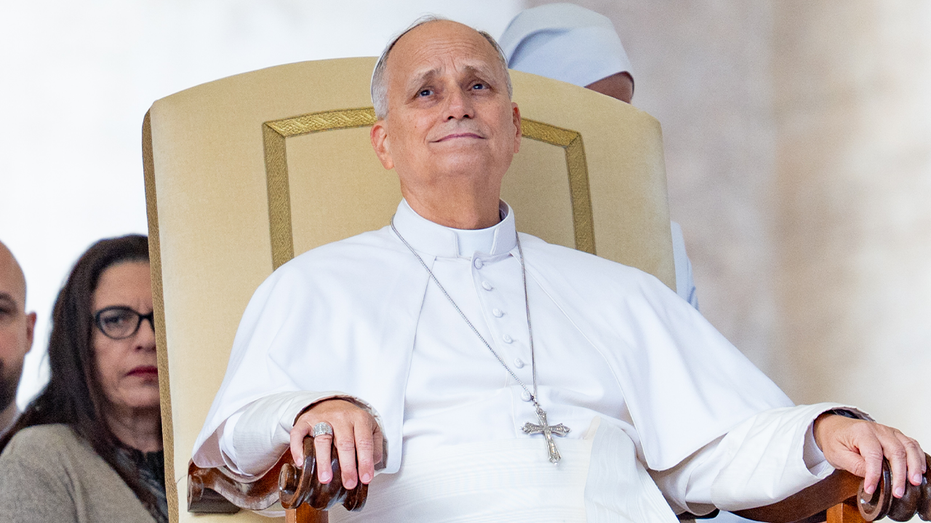
On the day of the announcement, photographs from St. Peter's Square showed the pope addressing the crowd at his weekly general audience on Oct. 21, 2026. Seeing him in that setting suggests he has returned to a visible public role. The photographs do not reveal anything about his medical condition, and the doctors' statement did not link the appearance to his treatment status.
Why the news matters to readers
For Catholics, the news brings reassurance that the cancer was found in a localized form and that doctors do not see a need for further therapy. For people outside the Church, the story is a reminder of how common lung cancer is and how much the stage at which it is found can shape the outcome. Doctors often point out that early detection and surgery give patients the best chance of a simple recovery, and this case fits that general pattern.
The update also shows how a medical story about a global public figure reaches the public. The doctors spoke directly about the tumor type, the date of the operation and the outcome of the follow-up review. Those basic facts give readers a clear picture, even though many clinical details remain private.
For anyone facing a similar diagnosis, the statement offers one useful lesson. The phrase "no further treatment" describes a decision made after a specific set of tests. It does not mean that every case looks the same, and it does not replace the ongoing monitoring that doctors may recommend.
What to watch next
The central outcome is clear. The doctors have said no further cancer treatment is needed. What comes next is more likely to be about monitoring and public life than about therapy. Patients whose cancer has been found to be localized and removed usually follow a schedule of check-ups set by their medical team. The details depend on the individual case, and the statement did not provide them.
Several questions are likely to shape the coming weeks. The first is whether the Vatican or the doctors will release a fuller medical update that explains the follow-up plan. The second is how quickly the pope returns to a full calendar of audiences, Masses and other events. The third is whether any changes to travel or appointments are announced. Each of these answers would help readers understand what the news means in practice, not just in medical terms.
For now, the story rests on one medical conclusion, delivered on Wednesday by the two doctors. Further details from the Vatican or the medical team would clarify how the pope's care will continue after the operation.
Questions and answers
What did doctors say about Pope Leo XIV's cancer?
His doctors said he will need no further treatment for lung cancer. Final tests confirmed the disease was localized, and a subsequent cancer assessment found that no further treatment is necessary.
What type of cancer did Pope Leo XIV have?
Doctors said the tumor removed on Oct. 13 was a lung adenocarcinoma, the most common type of lung cancer. Testing confirmed the disease was localized, meaning it had not spread.
Who announced the pope's cancer update?
Dr. Luigi Carbone and Professor Stefano Margaritora, the doctors involved in his care, announced the update on Wednesday, Oct. 21, 2026.
Will Pope Leo XIV need more monitoring?
The doctors said no further cancer treatment is necessary, but the statement did not describe any follow-up check-ups or monitoring plan. Readers should watch for a fuller medical update from the Vatican.
Topics: Pope Leo XIV, Vatican, lung cancer, lung adenocarcinoma, cancer treatment, Luigi Carbone, Stefano Margaritora, Catholic Church
Sources: Fox News
https://axynewsglobal.com/article/pope-leo-xiv-needs-no-further-cancer-treatment-doctors-say