
Federal Judge Presses Government Lawyers on Trump's Golf Course Plan
Latest arguments in the White House-linked renovation case show the judge questioning the government's position
By AXY Politics Desk ·
Key points
- A federal judge in Washington grilled government lawyers over Trump's plan for a White House renovation of a Washington golf course.
- NPR Politics reported the latest arguments in the case on October 19, 2026.
- The source does not specify the legal claims, the parties or when a ruling might come.
- Analysts say the tone of the questioning signals that the government faces difficult legal questions, though a tough hearing is not a final decision.
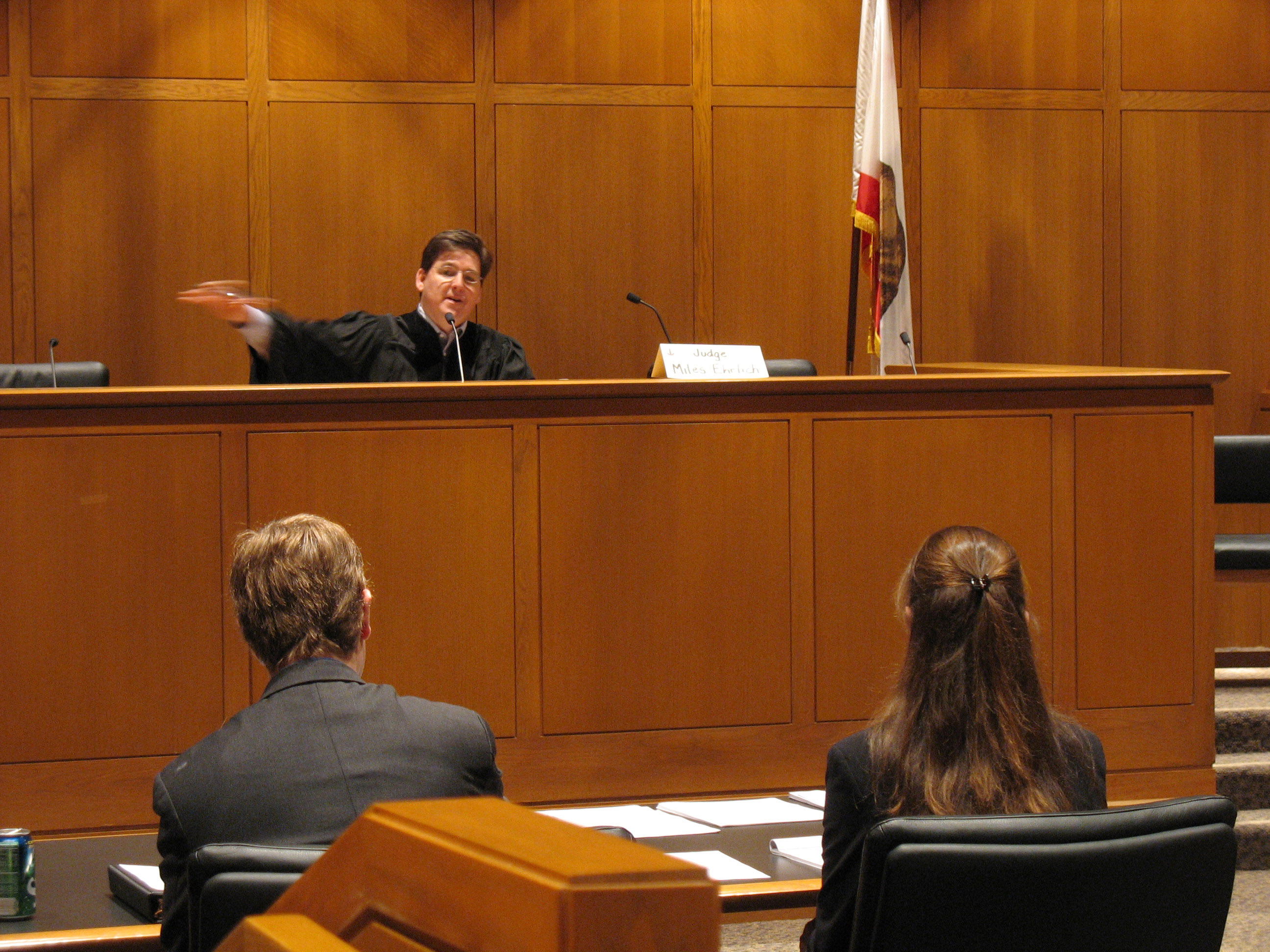
A federal judge in Washington grilled government lawyers over Trump's plan for a White House renovation of a Washington golf course, according to NPR Politics, which reported the latest arguments in the case on October 19, 2026. The source describes the judge's questioning as a grilling, a word that points to sharp, probing questions rather than routine procedural exchanges. The hearing placed the administration's plan under close legal scrutiny, and the tone of the session is the most important signal from the reporting so far.
The case belongs to a dispute that has been moving through the courts. NPR's headline describes the hearing as the latest arguments, which indicates that earlier rounds of argument have already taken place. The source material does not say how many hearings have been held, when the case was filed, or which court stages came before this session. Those details matter for understanding how far the dispute has advanced and how close it may be to a final ruling.
What the Reporting Confirms
The central development is that the court heard the latest arguments and that the judge directed hard questions at the government's legal team. The reporting is brief, and it does not provide a full transcript of the exchange. It also does not name the lawyers, the plaintiffs or challengers, the specific legal claims being argued, or any date for a decision. Readers should treat those details as unconfirmed until more complete reporting is available.
What is clear is the basic subject. The case concerns a renovation connected to the White House and involving a golf course in Washington, and it is tied to a plan associated with Trump. The source does not describe the scope of the renovation, what it would change on the site, or what it would cost. Without those details, it is difficult to judge the practical stakes beyond the legal question before the court.
How Oral Arguments Work and Why Questions Matter
In the American legal system, oral arguments are hearings in which lawyers for each side present their positions to a judge and answer questions from the bench. They are not the same as trials. Witnesses do not usually testify, and new evidence is generally not introduced. Instead, judges use the hearing to test the strongest and weakest points of the written filings each side has already submitted, often before issuing a written decision.
Because of this purpose, the questions a judge asks can be as revealing as the answers. A judge who presses one side repeatedly is often signaling concern about a particular argument, a missing legal foundation or a gap in the factual record. Such signals do not decide a case on their own, and judges sometimes press both sides hard. Still, when reporters describe a judge as grilling government lawyers, it usually means the government's representatives faced difficult questions on points they needed to defend.
For readers, the distinction is important. A tough hearing is not the same as a ruling. Judges can be skeptical during argument and still rule for the government, and they can express sympathy for one side and then decide against it after reviewing the full record. The tone of questioning is best understood as an indicator of where the judge sees pressure points, not as a verdict.
Why a Golf Course Renovation Can Become a Legal Question
A renovation project can look like a routine local matter, but when it involves public land or a federal agency's authority, it can raise broader legal questions. Changes to government property are often subject to rules about who has authority to approve work, how projects are funded, whether required reviews were completed, and whether the public or affected parties had an opportunity to comment. Courts are frequently asked to decide whether officials acted within the powers that statutes and regulations have given them.
The source material does not identify which legal requirements are at issue in this case, and it does not state who owns or manages the golf course. Analysts who follow disputes over executive power typically look at a few broad questions in cases of this kind: whether the official or agency had clear legal authority for the action, whether procedures required by law were followed, and whether the public or other interested parties had a proper chance to be heard. These are general categories used across many lawsuits, not confirmed claims in this case.
The link to the White House adds another layer. Projects connected to the presidential residence and its grounds can draw particular attention because they involve symbolic and historic sites as well as government spending and oversight. Any court decision about such a project may therefore be watched closely by the public, by government officials and by advocates on both sides of the debate over how federal properties should be changed.
Presidential Power and the Separation of Powers
The American constitutional system divides power among the executive, legislative and judicial branches. Presidents have broad authority to direct federal agencies, but that authority is limited by statutes passed by Congress and by the Constitution itself. When a president's plan involves federal property or government resources, courts can be asked to determine whether the action fits within the law. This is a basic function of the judiciary, and it applies regardless of which president is in office.
For the administration, the stakes of a case like this go beyond one project. A ruling in favor of the challengers could require changes to the plan or halt work while the case proceeds. A ruling for the government could allow the project to continue, although that outcome could also be appealed to a higher court. Either way, the decision could influence how future executive actions involving federal sites are reviewed, because courts often treat earlier rulings as guidance in similar disputes.
The source material does not indicate whether the judge has signaled a view on the broader constitutional questions or whether the dispute turns mainly on the details of a specific statute or agency decision. That distinction would shape how far the outcome reaches. A narrow ruling about one procedural step is very different from a broader decision about presidential authority over federal land.
Why It Matters to Washington Residents and Taxpayers
For residents of Washington and visitors to the capital, the practical questions are more concrete: what the renovation would change, how long it would take, and who would pay for it. The source material does not answer any of those questions. Public projects tied to federal land often involve public money, public access and public comment, so these issues tend to matter to people who use the sites and to those who fund them through taxes.
The case also matters for people who care about how government decisions are made. When the courts scrutinize a project closely, they help confirm whether public officials have followed the rules that apply to them. That process can slow a project, but supporters of judicial review argue it is designed to prevent actions that bypass legal requirements. Critics of litigation over government projects often argue that court challenges can delay decisions that officials believe are necessary. Both views shape how the public understands cases like this one.
Reactions and What Remains Unclear
The source material does not include statements from the administration, the challengers or the judge outside the courtroom. That absence matters, because public reaction often shapes how a case is understood beyond the legal record. Readers should be cautious about assuming how the parties view the hearing based solely on the judge's tone, since lawyers and officials frequently offer contrasting interpretations of the same exchange.
It is also unclear from the available reporting whether the judge indicated how or when a ruling might come. In many federal cases, judges can take matters under advisement and issue written opinions days or weeks after a hearing, but the timing depends on the court's schedule and the complexity of the issues. Analysts would not expect a final answer simply because a hearing has taken place, particularly when the questioning suggests that the judge still has concerns to resolve.
What to Watch Next
Several developments will determine where the dispute goes. The first is whether the judge issues a written ruling, and whether that ruling addresses the points raised during the hearing. The second is whether either side files an appeal if it loses, which would move the case to a higher court and could extend the timeline considerably. The third is whether the administration changes, pauses or continues the renovation plan while the litigation proceeds.
For readers following the story, the most useful sources will be the court's own docket, the filings from each side and any written opinion the judge releases. Those documents would show the specific legal arguments that the hearing only hinted at. Until then, the clearest facts are that a federal judge heard the latest arguments, pressed the government's lawyers hard and left the outcome of a politically sensitive White House-linked project in doubt.
Questions and answers
What did the judge do in the Washington golf course case?
According to NPR Politics, the federal judge grilled government lawyers during the latest arguments over Trump's plan for a White House renovation of a Washington golf course.
What is the White House golf course renovation case about?
The case concerns a White House-linked renovation of a Washington golf course tied to Trump's plan. The source material does not describe the specific legal claims being argued.
Has the judge ruled on the Trump golf course plan?
The reporting covers the latest arguments and does not mention a ruling. The source material does not give a timeline for a decision.
Why does the judge's questioning matter?
In oral arguments, a judge's pointed questions can show where a case is weakest for one side. The reporting describes the questioning as a grilling of the government's lawyers, which signals difficult legal scrutiny, though it is not a final decision.
Topics: Donald Trump, White House renovation, Washington golf course, federal judge, government lawyers, executive power, federal courts
Sources: NPR Politics